 |
BIG RED: The tomato can't escape controversy
By Jonathan Cox

Is it a fruit or vegetable? To-may-to or to-mah-to? Catsup or ketchup? Healthy or poisonous?
The poor tomato just can't escape contention and controversy.
| Tomatoes are a good source of plenty of healthy nutrients |
| Lycopene and beta-carotene help neutralize free radicals |
| Vitamins A and C carry antioxidant carotenoids and are antioxidants themselves |
| Fiber and niacin can help lower cholesterol |
| Vitamin K promotes good bone health |
| Potassium can lower blood pressure and decrease the risk of heart disease |
| Vitamin B6 and folate can reduce the risk of heart attack and stroke |
As a member of the portentously named nightshade family, which includes poisonous plants like belladonna and jimson weed alongside such kitchen-table staples as potatoes and peppers, tomatoes were once thought to be deadly. Rumor has it that the British tried to kill George Washington with them, and they have been known to be lethal for more than a few comedy routines.
 |
Research suggests eating tomatoes helps in preventing these types of cancers:
• Breast cancer • Colon cancer • Lung cancer • Pancreatic cancer • Prostate cancer • Rectal cancer |
While countless pizzas and BLTs have proven them not to be fatal to humans, the tomato plant is actually poisonous. The stem and leaves are toxic, and the tomato fruit (yes, it is a fruit - a berry, to be exact) contains traces of alkaloids that may be harmful to those with a hypersensitivity to them. But for the majority of the population, researchers are finding that tomatoes, whose peak season runs from July to September, actually promote good health.
The star of the show, as prominently announced on the label of virtually every bottle of ketchup (the proper spelling according to the Oxford English Dictionary, by the way), is lycopene, the carotenoid pigment that gives the tomato its bright red color. Like its fellow carotenoid beta-carotene, its most noteworthy quality is working as an antioxidant agent, neutralizing free radicals that can cause oxygen damage to cells;
And if you've ever wondered why lycopene plays more of a role in marketing ketchup than in marketing tomatoes themselves, here's the reason: Unlike other fruits and vegetables, the antioxidants in tomatoes are made more readily available for the body's use when the tomatoes are cooked or processed. That means that such tomato products as ketchup, tomato paste, tomato purée and canned tomatoes will provide your body with more lycopene than a raw tomato will. And, if the product is made with the whole tomato, skin and all, or if the source tomatoes are organically grown, the amount of bioavailable lycopene will be even greater than in products made with non-organic, peeled tomatoes.
| NUTRITION |
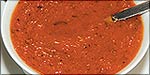 GAZPACHO GAZPACHO
Gazpacho is a refreshing appetizer or meal accompaniment during the summer months. Serve it with whole wheat crackers or croutons and enjoy!
Ingredients
3 medium tomatoes, peeled and chopped
½ cup cucumber, seeded and chopped
½ cup green pepper, chopped
2 green onions, sliced
2 cups low-sodium vegetable juice cocktail
1 tablespoon lemon juice
½ teaspoon basil, dried
¼ teaspoon hot pepper sauce
1 clove garlic, minced
Procedure
In a large mixing bowl, combine all ingredients. Cover and chill in the refrigerator for several hours.
Nutrition facts for 1¼ cups
This recipe makes 4 servings. 56 calories, 1g fat, 0mg cholesterol, 93mg sodium, 11g carbohydrate, 2g fiber, 2g protein.
|
MANGO MIX-UP
Mangoes are known as nature's candy because of their sweet and sour taste. Mangoes are packed with vitamin C and flavor and are delicious in the summer months. Enjoy this refreshing, light dish from the American Heart Association's Low-Fat and Luscious Desserts cookbook.
Ingredients
2 tablespoons fresh lemon juice
1½ teaspoons sugar
2 medium mangoes, cubed (about 1 1/3 cups)
2 tablespoons chopped fresh mint leaves
Procedure
In a medium mixing bowl, stir together lemon juice and sugar until sugar has dissolved. Stir in mangoes, then gently stir in mint leaves.
Nutrition facts for a ½ cup portion
This recipe makes 4 servings. 77 calories, 0g fat, 0mg cholesterol, 4mg sodium, 20g carbohydrate, 2g . ber, 1g protein
|
| Source: University of Illinois Extension-Fiesta of Flavors accessed on May 24, 2007. |
Recipes submitted by: Dorothy Shaver, R.D., L.D. Corporate Dietitian Kroger Mid-Atlantic |
|
|
|
|
 Good Health