|
|
|
|
|
||
|
|
Are kids getting enough?
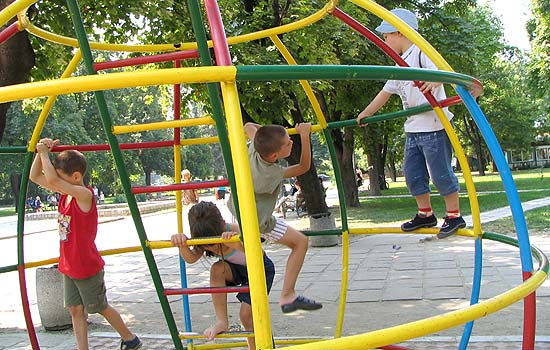
Instead of riding bikes, playing on playgrounds and participating in sports, many American kids are spending the majority of their free time sitting around. They're watching TV, playing video games, working on the computer and text messaging. And they're not eating very well. According to the American Dietetic Association, instead of choosing healthy snacks like fruits, vegetables, low-fat dairy products and pretzels, too many kids are filling up on junk food. Poor diet combined with a lack of activity explains why approximately 30.3 percent of American children ages 6 to 11 are now overweight and 15.3 percent are obese. In addition, 30.4 percent of children ages 12 to 19 are overweight and 15.5 percent are obese. Excess weight in childhood and adolescence has been found to be a good indicator that a person will remain overweight as an adult. Dangers associated with being heavy as an adult include coronary heart disease, Type 2 Diabetes and high blood pressure. The American Dietetic Association blames kids' lack of activity on reductions in school physical education programs and the lack of access to community recreational facilities. But some of the blame lies on parents, too. What can you do to turn things around for your child? A good place to start is by showing your son or daughter that you're serious about improving the situation. |
|
|
|||||
|
© 2007 Media General Interactive. Part of the Reach Virginia Network. All rights reserved. Email webmaster • Terms & Conditions |
|
 Good Health