 |
|
|
|
|
||
|
|
Our modern age has given birth to a new range of products that fall into a class that is neither food nor drug. These nutraceuticals, as they're called, are a $40 billion per year industry, with dietary supplements - only one component of this alternative health care segment - bringing in $12 million annually.
"As a health counselor, it is so exciting to see more people beginning to include alternative health care practices as part of their wellness approach," says Shara Bunis, M.S. certified holistic health counselor at the Center for Holistic Wellness, which has consultation offices in Richmond and Ashland. "Western medicine, while very good at treating trauma, has not been very good at supporting people in maintaining good health and avoiding chronic illnesses. Alternative medicine and health practices, along with good diet and lifestyle choices, can certainly help fill this void." Nutraceuticals embody vitamins and other dietary supplements, foods that are consumed for their health properties, such as olive and flax seed oil - and foods that have been fortified with certain nutrients to improve health properties. The majority of these items are not regulated by the Food and Drug Administration. Personal caution should be used when consuming nutraceuticals. Because they are largely unregulated, there may be differences in nutrient content from product to product. Also note that even though supplements may come from nature, they can cause certain side effects or interfere with any prescription drugs you may be taking. For example, omega fatty acid supplements may interfere with blood clotting, so anyone taking a medication for this should avoid fish oil supplements. "Good quality supplements can be effective at helping the body to maintain nutritional balance or to assist the body in rebalancing or repairing," says Bunis. "However, I always suggest that outside of the standard supplements that are generally considered important - multi-vitamins, Essential Fatty Acids, probiotics and greens supplements - people should consult a health care professional before spending a lot of money on supplements they don't need or for some reason shouldn't be taking."
Still, while caution must be used, nutraceuticals can offer advantages for people looking to save money on drug costs and searching for alternatives to medication. In some instances natural remedies can be as effective as, or even more so than, their prescription counterparts. They may be worth a try as a first attempt at treating an ailment before seeking out medication. In addition to any health care regimen, a balanced diet and regular exercise can go a long way toward enhancing any health plan. |
|
|
|||||
|
© 2007 Media General Interactive. Part of the Reach Virginia Network. All rights reserved. Email webmaster • Terms & Conditions |
|
 Good Health
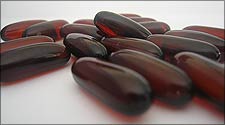 (MS) - There are no answers to the newfound booming popularity in alternative health treatments. Some believe it reflects disenchantment with traditional medical services. Today, a number of medical establishments and managed care facilities are run by corporations that many people feel are more concerned with bottom lines than patient health. Others have waning hope in traditional medicines and frustration with modern science for failing to find cures for cancer and other epidemic diseases. Still others feel more comfortable looking for health care from substances that occur naturally, rather than from the multitude of new prescription medications that come on the market each year, along with their host of side effects.
 Shara Bunis, M.S. Certified Holistic Health Counselor, practices at the Center for Holistic Wellness with offices in Richmond and Ashland. Mailing address: 12588 Eagles Point Lane, Ashland, VA 23005